The PlayLab Events.

AI-Learning Game Conference
It all begins with an idea. Maybe you want to launch a business. Maybe you want to turn a hobby into something more. Or maybe you have a creative project to share with the world. Whatever it is, the way you tell your story online can make all the difference.
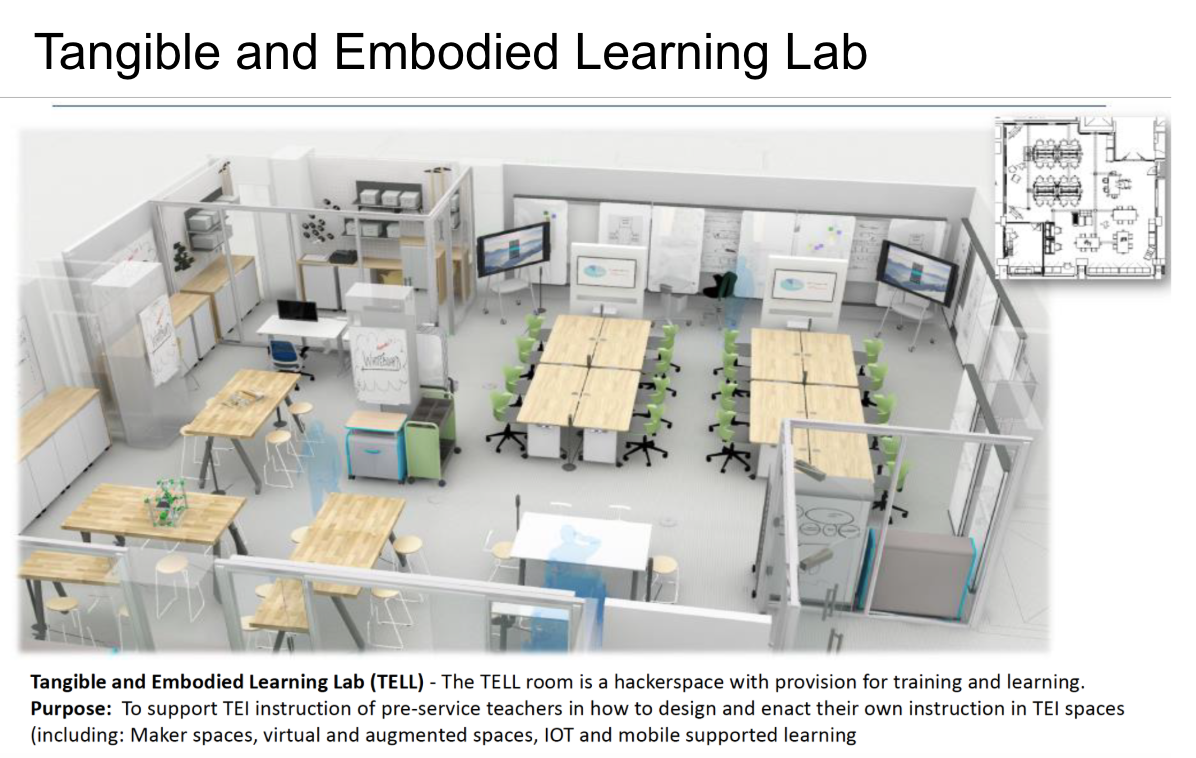
STEAM-Game Workshop
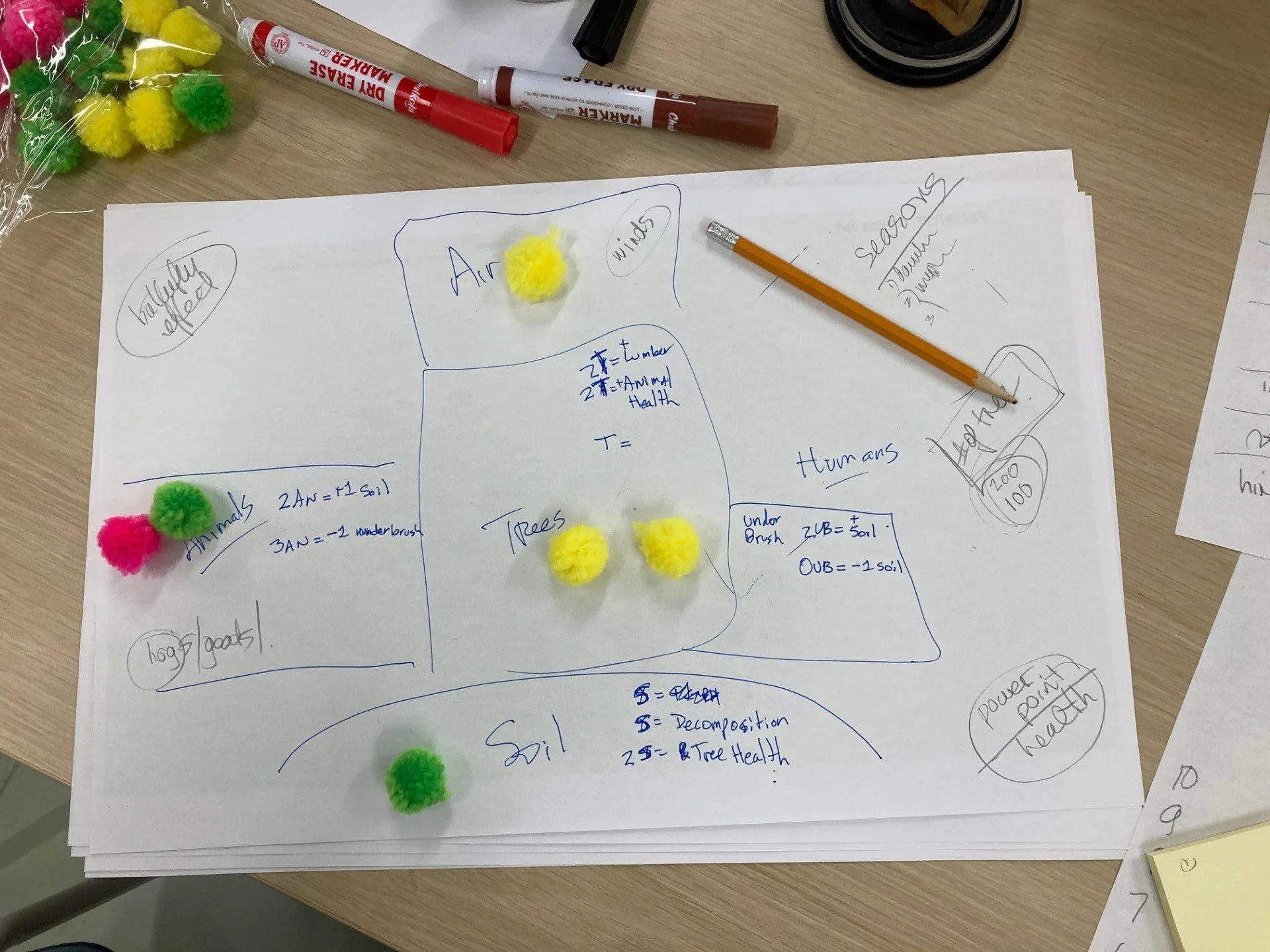
The Fall of Artica (FoA) Game-based curriculum has been successfully implemented in K–12 classrooms by an outstanding team of educators from the University of Toronto Schools (UTS)—a top-ranked secondary school affiliated with the University of Toronto. These educators exemplify excellence in interdisciplinary teaching and collaborative curriculum design.
The FoA game-based learning model consists of five core lessons. The first three are standardized and scaffold students’ engagement with world-building, ethical reasoning, and collaborative play. Lessons four and five are intentionally open-ended, allowing teachers to customize activities based on their subject area and the learning goals of their specific course. This flexible structure supports deep integration of the game into diverse educational contexts, from English and Visual Arts to Design and Technology.
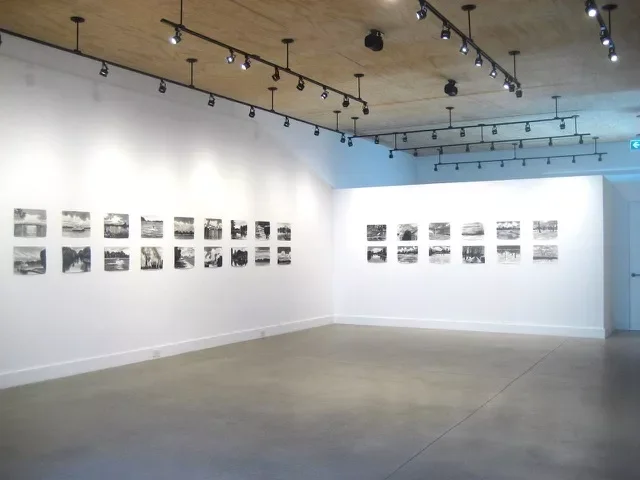
KMA Exhibition
The Artivition Projects: Knowledge Media Art Annual Exhibition is the signature public-facing event of the Knowledge Media Art Projects, bringing together artists, educators, students, and researchers to explore game-based learning, speculative worldbuilding, and interdisciplinary creativity through artistic practice.
www.artivition.com
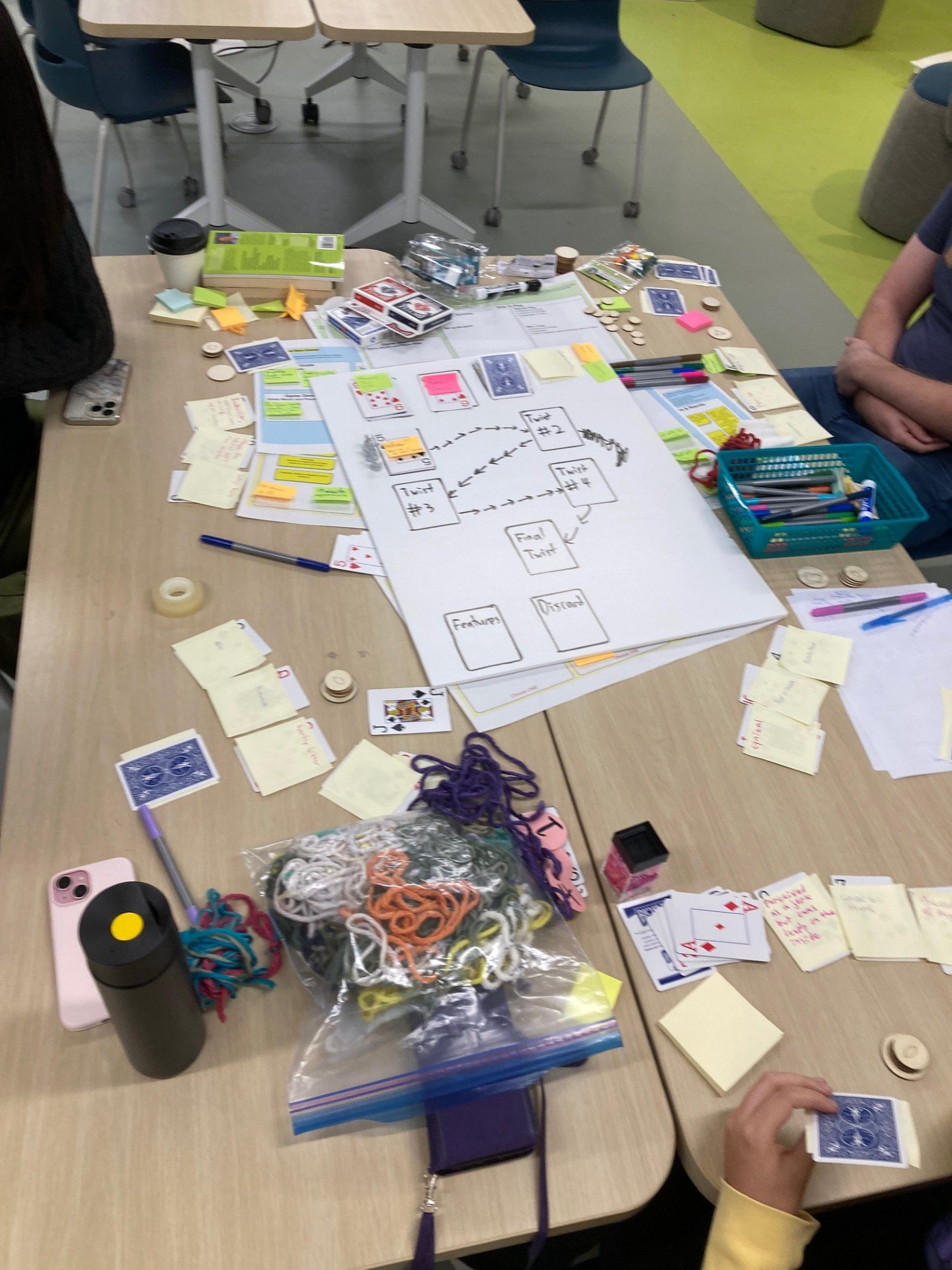
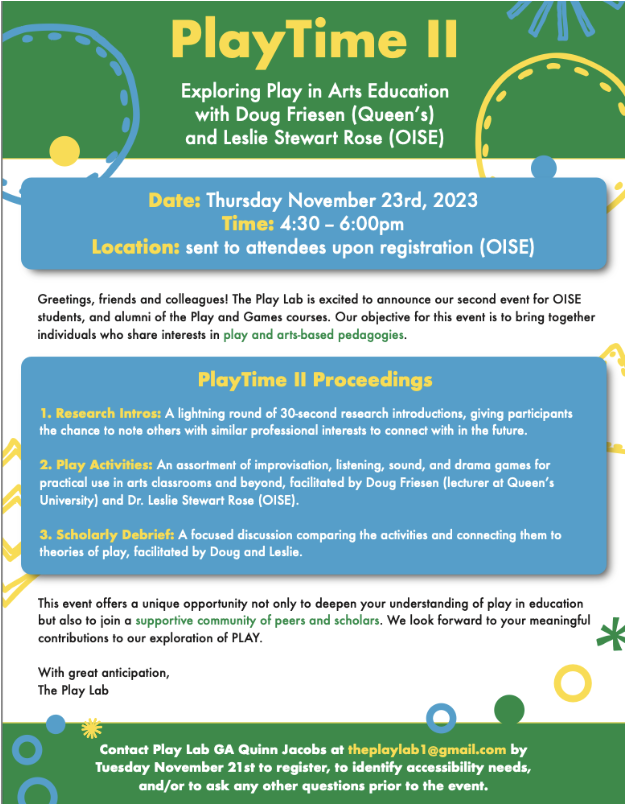
Winter Games Symposium 2024
It all begins with an idea. Maybe you want to launch a business. Maybe you want to turn a hobby into something more. Or maybe you have a creative project to share with the world. Whatever it is, the way you tell your story online can make all the difference.
Proceedings
1:00–1:10 30-Second Academic Intros + Posing Two Discussion Questions
1:10–1:35 Small Group Games Session #1
1:35–2:00 Small Group Games Session #2
2:00–2:45 Fall of Artica Session
2:45–2:55 Feedback on Fall of Artica
2:55–3:00 Answering Two Discussion Questions
Two Discussion Questions
1. In which ways can game design concepts be applied to instructional design?
(Especially considering iteration/ prototyping.)
2. How would you incorporate educational games into your current or future teaching practice?
(Especially regarding briefing before play sessions, and de-briefing after play sessions.)
*We will pose these questions to the group at the outset of the event. These will be questions to consider while playing/ discussing/ giving feedback on each game, and will also be briefly addressed at the end of the event.
Breakdown of Game Sessions
Small Group Sessions (25m each)
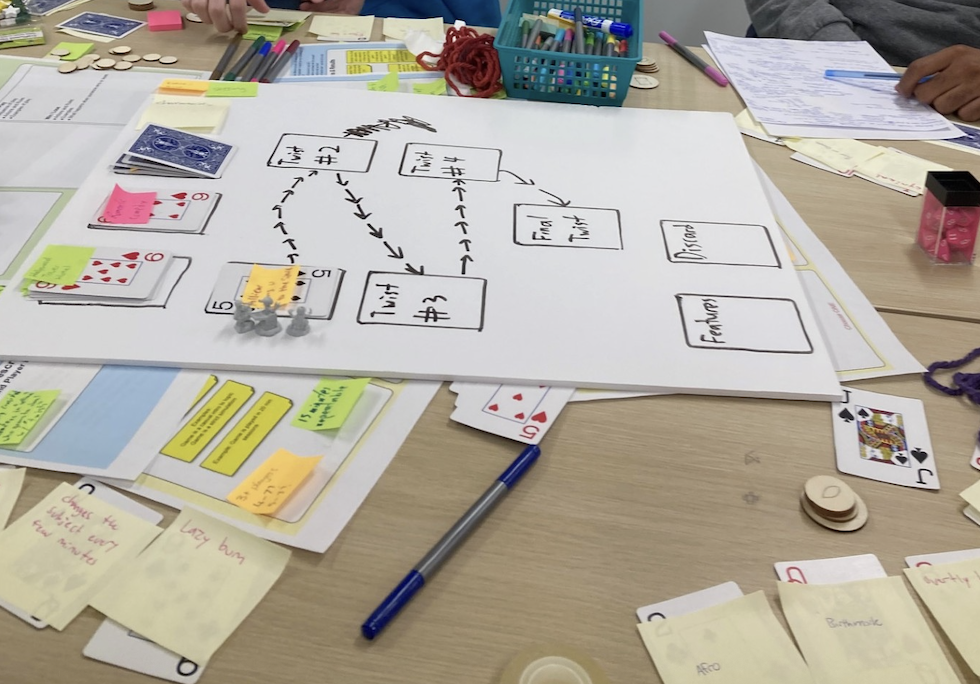
• Four tables will be set up in different corners of the room; each table will have a game on it, and a facilitator to moderate play and discussion
• Table 1: Tyler Beatty’s game; Tyler facilitates
• Table 2: Quinn Jacobs’ games; Quinn facilitates
• Table 3: Rush Hour games; Krystal facilitates
• Table 4: Math Dice games; Garrick facilitates
• Participants will be split into four groups, each group with 3-4 participants (depending on number of people present)
• During “Small Group Games Session #1”, each group will be paired with a table, and will play the game at the table once or twice, followed by discussion/ feedback moderated by the facilitator
• For “Small Group Games Session #2”, groups will switch tables, so that each group ends up
playing two games (one existing game, and one game in development)
Fall of Artica Session (45m + 10m Feedback Session)
• 10 players will playtest Fall of Artica
• Additional event participants can watch or double up with playing participants
• Kathy will facilitate
• Players will have approximately 10 minutes to give feedback to Kathy following the session